Sunday, October 30, 2011

The 2011 Import and Export Market for Metal-Removing Machine Tools for Milling, Threading, or Tapping Excluding Lathes and Hand Tools in Iran

The 2011 Import and Export Market for Metal-Removing Machine Tools for Milling, Threading, or Tapping Excluding Lathes and Hand Tools in Iran Review


On the demand side, exporters and strategic planners focusing on metal-removing machine tools for milling, threading, or tapping excluding lathes and hand tools in Iran face a number of questions. Which countries are supplying metal-removing machine tools for milling, threading, or tapping excluding lathes and hand tools to Iran? How important is Iran compared to others in terms of the entire global and regional market? How much do the imports of metal-removing machine tools for milling, threading, or tapping excluding lathes and hand tools vary from one country of origin to another in Iran? On the supply side, Iran also exports metal-removing machine tools for milling, threading, or tapping excluding lathes and hand tools. Which countries receive the most exports from Iran? How are these exports concentrated across buyers? What is the value of these exports and which countries are the largest buyers?

This report was created for strategic planners, international marketing executives and import/export managers who are concerned with the market for metal-removing machine tools for milling, threading, or tapping excluding lathes and hand tools in Iran. With the globalization of this market, managers can no longer be contented with a local view. Nor can managers be contented with out-of-date statistics which appear several years after the fact. I have developed a methodology, based on macroeconomic and trade models, to estimate the market for metal-removing machine tools for milling, threading, or tapping excluding lathes and hand tools for those countries serving Iran via exports, or supplying from Iran via imports. It does so for the current year based on a variety of key historical indicators and econometric models.

In what follows, Chapter 2 begins by summarizing where Iran fits into the world market for imported and exported metal-removing machine tools for milling, threading, or tapping excluding lathes and hand tools.


Saturday, October 29, 2011

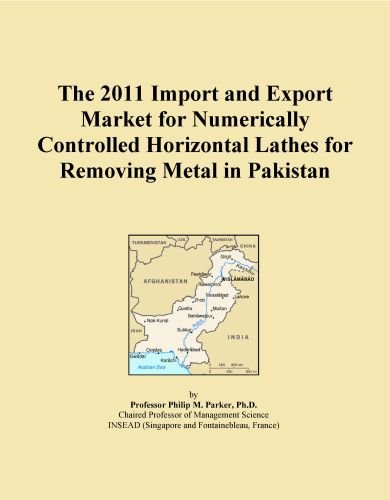
The 2011 Import and Export Market for Numerically Controlled Horizontal Lathes for Removing Metal in Pakistan

The 2011 Import and Export Market for Numerically Controlled Horizontal Lathes for Removing Metal in Pakistan Review


On the demand side, exporters and strategic planners focusing on numerically controlled horizontal lathes for removing metal in Pakistan face a number of questions. Which countries are supplying numerically controlled horizontal lathes for removing metal to Pakistan? How important is Pakistan compared to others in terms of the entire global and regional market? How much do the imports of numerically controlled horizontal lathes for removing metal vary from one country of origin to another in Pakistan? On the supply side, Pakistan also exports numerically controlled horizontal lathes for removing metal. Which countries receive the most exports from Pakistan? How are these exports concentrated across buyers? What is the value of these exports and which countries are the largest buyers?

This report was created for strategic planners, international marketing executives and import/export managers who are concerned with the market for numerically controlled horizontal lathes for removing metal in Pakistan. With the globalization of this market, managers can no longer be contented with a local view. Nor can managers be contented with out-of-date statistics which appear several years after the fact. I have developed a methodology, based on macroeconomic and trade models, to estimate the market for numerically controlled horizontal lathes for removing metal for those countries serving Pakistan via exports, or supplying from Pakistan via imports. It does so for the current year based on a variety of key historical indicators and econometric models.

In what follows, Chapter 2 begins by summarizing where Pakistan fits into the world market for imported and exported numerically controlled horizontal lathes for removing metal. The total level of imports and exports on a worldwide basis, and those for Pakistan in particular, is estimated using a model which aggregates across over 150 key country markets and projects these to the current year. From there, each country represents a percent of the world market. This market is served from a number of competitive countries of origin. Based on both demand- and supply-side dynamics, market shares by country of origin are then calculated across each country market destination. These shares lead to a volume of import and export values for each country and are aggregated to regional and world totals. In doing so, we are able to obtain maximum likelihood estimates of both the value of each market and the share that Pakistan is likely to receive this year. From these figures, rankings are calculated to allow managers to prioritize Pakistan compared to other major country markets. In this way, all the figures provided in this report are forecasts that can be combined with internal information sources for strategic planning purposes.


Friday, October 28, 2011

Master Cam X2 -- Mill / 2d Lathe Combo Training Guide

Master Cam X2 -- Mill / 2d Lathe Combo Training Guide Review


339 pages 2 CD-ROMs Mill and lathe sections in one book


Wednesday, October 26, 2011

Useful Beauty: Turning Practical Items on a Wood Lathe (Schiffer Book for Woodworkers)

Useful Beauty: Turning Practical Items on a Wood Lathe (Schiffer Book for Woodworkers) Review


Useful Beauty: Turning Practical Items on a Wood Lathe (Schiffer Book for Woodworkers) Feature

  • ISBN13: 9780887408519
  • Condition: Used - Good
  • Notes: 100% Satisfaction Guarantee. Tracking provided on most orders. Buy with Confidence! Millions of books sold!
Dick Sing has directed his creative wood turning skills to the design of six attractive projects with variations. Three variations of bottle stoppers and decorative jar lids can transform the practical into the beautiful. The weed vase and the small mirror can make charming gifts; the spinning top and baby rattle will delight any young child. Instructions for each project along with step-by-step photographs make these fun projects easy to learn and fun to do. Variations provide a challenge for the more experienced turners,and a gallery with numerous examples encourages the adventurous to experiment.


Tuesday, October 25, 2011

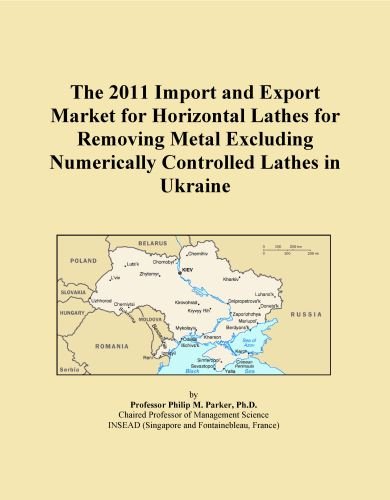
The 2011 Import and Export Market for Horizontal Lathes for Removing Metal Excluding Numerically Controlled Lathes in Ukraine

The 2011 Import and Export Market for Horizontal Lathes for Removing Metal Excluding Numerically Controlled Lathes in Ukraine Review


On the demand side, exporters and strategic planners focusing on horizontal lathes for removing metal excluding numerically controlled lathes in Ukraine face a number of questions. Which countries are supplying horizontal lathes for removing metal excluding numerically controlled lathes to Ukraine? How important is Ukraine compared to others in terms of the entire global and regional market? How much do the imports of horizontal lathes for removing metal excluding numerically controlled lathes vary from one country of origin to another in Ukraine? On the supply side, Ukraine also exports horizontal lathes for removing metal excluding numerically controlled lathes. Which countries receive the most exports from Ukraine? How are these exports concentrated across buyers? What is the value of these exports and which countries are the largest buyers?

This report was created for strategic planners, international marketing executives and import/export managers who are concerned with the market for horizontal lathes for removing metal excluding numerically controlled lathes in Ukraine. With the globalization of this market, managers can no longer be contented with a local view. Nor can managers be contented with out-of-date statistics which appear several years after the fact. I have developed a methodology, based on macroeconomic and trade models, to estimate the market for horizontal lathes for removing metal excluding numerically controlled lathes for those countries serving Ukraine via exports, or supplying from Ukraine via imports. It does so for the current year based on a variety of key historical indicators and econometric models.

In what follows, Chapter 2 begins by summarizing where Ukraine fits into the world market for imported and exported horizontal lathes for removing metal excluding numerically controlled lathes. The total level of imports and exports on a worldwide basis, and those for Ukraine in particular, is estimated using a model which aggregates across over 150 key country markets and projects these to the current year. From there, each country represents a percent of the world market. This market is served from a number of competitive countries of origin. Based on both demand- and supply-side dynamics, market shares by country of origin are then calculated across each country market destination. These shares lead to a volume of import and export values for each country and are aggregated to regional and world totals. In doing so, we are able to obtain maximum likelihood estimates of both the value of each market and the share that Ukraine is likely to receive this year. From these figures, rankings are calculated to allow managers to prioritize Ukraine compared to other major country markets. In this way, all the figures provided in this report are forecasts that can be combined with internal information sources for strategic planning purposes.


Monday, October 24, 2011

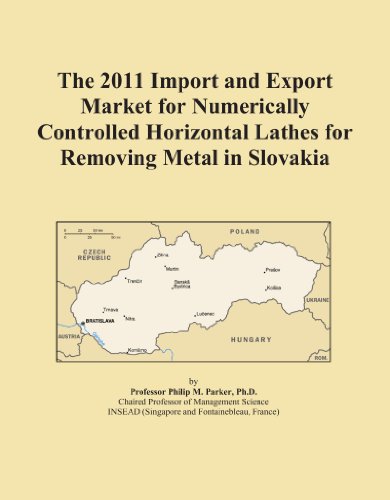
The 2011 Import and Export Market for Numerically Controlled Horizontal Lathes for Removing Metal in Slovakia

The 2011 Import and Export Market for Numerically Controlled Horizontal Lathes for Removing Metal in Slovakia Review


On the demand side, exporters and strategic planners focusing on numerically controlled horizontal lathes for removing metal in Slovakia face a number of questions. Which countries are supplying numerically controlled horizontal lathes for removing metal to Slovakia? How important is Slovakia compared to others in terms of the entire global and regional market? How much do the imports of numerically controlled horizontal lathes for removing metal vary from one country of origin to another in Slovakia? On the supply side, Slovakia also exports numerically controlled horizontal lathes for removing metal. Which countries receive the most exports from Slovakia? How are these exports concentrated across buyers? What is the value of these exports and which countries are the largest buyers?

This report was created for strategic planners, international marketing executives and import/export managers who are concerned with the market for numerically controlled horizontal lathes for removing metal in Slovakia. With the globalization of this market, managers can no longer be contented with a local view. Nor can managers be contented with out-of-date statistics which appear several years after the fact. I have developed a methodology, based on macroeconomic and trade models, to estimate the market for numerically controlled horizontal lathes for removing metal for those countries serving Slovakia via exports, or supplying from Slovakia via imports. It does so for the current year based on a variety of key historical indicators and econometric models.

In what follows, Chapter 2 begins by summarizing where Slovakia fits into the world market for imported and exported numerically controlled horizontal lathes for removing metal. The total level of imports and exports on a worldwide basis, and those for Slovakia in particular, is estimated using a model which aggregates across over 150 key country markets and projects these to the current


Saturday, October 22, 2011

Lathe Work for Beginners: A Practical Treatise On Lathe Work with Complete Instructions for Properly Using the Various Tools, Including Complete ... Wood Turning, Metal Spinning, Etc., and

Lathe Work for Beginners: A Practical Treatise On Lathe Work with Complete Instructions for Properly Using the Various Tools, Including Complete ... Wood Turning, Metal Spinning, Etc., and Review


This is an EXACT reproduction of a book published before 1923. This IS NOT an OCR'd book with strange characters, introduced typographical errors, and jumbled words. This book may have occasional imperfections such as missing or blurred pages, poor pictures, errant marks, etc. that were either part of the original artifact, or were introduced by the scanning process. We believe this work is culturally important, and despite the imperfections, have elected to bring it back into print as part of our continuing commitment to the preservation of printed works worldwide. We appreciate your understanding of the imperfections in the preservation process, and hope you enjoy this valuable book.


Friday, October 21, 2011

The 2011 World Market Forecasts for Imported Horizontal Lathes for Removing Metal Excluding Numerically Controlled Lathes

The 2011 World Market Forecasts for Imported Horizontal Lathes for Removing Metal Excluding Numerically Controlled Lathes Review


This report was created for strategic planners, international marketing executives and export managers whose primary concern is the world market for horizontal lathes for removing metal excluding numerically controlled lathes. With the globalization of this market, managers can no longer be contented with a local view. Nor can managers be contented with out-of-date statistics that appear several years after the fact. I have developed a methodology, based on macroeconomic and trade models, to estimate the market for horizontal lathes for removing metal excluding numerically controlled lathes for those firms serving the world via exports and foreign direct investment. It does so for the current year based on a variety of key historical indicators and econometric models.

In what follows, this report begins by summarizing the world exporter's market for horizontal lathes for removing metal excluding numerically controlled lathes. The total level of exports on a worldwide basis is based on a model that aggregates across over 150 key country markets and projects these to the current year. From there, each country represents a percent of the world market. This market is served from a number of competitive countries of origin. Based on supply-side dynamics, market shares by country of origin are then calculated across each country market. These shares lead to a volume of import values for each country and are aggregated to regional and world totals. In doing so, we are able to obtain maximum likelihood estimates of both the value of each market and the shares that competitors (countries serving that market) are likely to receive this year. From these figures, world rankings are calculated to allow managers to prioritize markets. In this way, all the figures provided in this report are forecasts that can be combined with internal information for strategic planning purposes.


Thursday, October 20, 2011

The Wood Turner'S Handybook: A Practical Manual for Workers at the Lathe: Embracing Information On the Tools, Appliances and Processes Employed in Wood Turning

The Wood Turner'S Handybook: A Practical Manual for Workers at the Lathe: Embracing Information On the Tools, Appliances and Processes Employed in Wood Turning Review


This is a reproduction of a book published before 1923. This book may have occasional imperfections such as missing or blurred pages, poor pictures, errant marks, etc. that were either part of the original artifact, or were introduced by the scanning process. We believe this work is culturally important, and despite the imperfections, have elected to bring it back into print as part of our continuing commitment to the preservation of printed works worldwide. We appreciate your understanding of the imperfections in the preservation process, and hope you enjoy this valuable book.


Tuesday, October 18, 2011

Ornamental turning; a work of practical instruction in the above art

Ornamental turning; a work of practical instruction in the above art Review


This is a reproduction of a book published before 1923. This book may have occasional imperfections such as missing or blurred pages, poor pictures, errant marks, etc. that were either part of the original artifact, or were introduced by the scanning process. We believe this work is culturally important, and despite the imperfections, have elected to bring it back into print as part of our continuing commitment to the preservation of printed works worldwide. We appreciate your understanding of the imperfections in the preservation process, and hope you enjoy this valuable book.


Monday, October 17, 2011

The 2009 Import and Export Market for Lathes for Removing Metal in Czech Republic

The 2009 Import and Export Market for Lathes for Removing Metal in Czech Republic Review


On the demand side, exporters and strategic planners focusing on lathes for removing metal in Czech Republic face a number of questions. Which countries are supplying lathes for removing metal to Czech Republic? How important is Czech Republic compared to others in terms of the entire global and regional market? How much do the imports of lathes for removing metal vary from one country of origin to another in Czech Republic? On the supply side, Czech Republic also exports lathes for removing metal. Which countries receive the most exports from Czech Republic? How are these exports concentrated across buyers? What is the value of these exports and which countries are the largest buyers?

This report was created for strategic planners, international marketing executives and import/export managers who are concerned with the market for lathes for removing metal in Czech Republic. With the globalization of this market, managers can no longer be contented with a local view. Nor can managers be contented with out-of-date statistics which appear several years after the fact. I have developed a methodology, based on macroeconomic and trade models, to estimate the market for lathes for removing metal for those countries serving Czech Republic via exports, or supplying from Czech Republic via imports. It does so for the current year based on a variety of key historical indicators and econometric models.

In what follows, Chapter 2 begins by summarizing where Czech Republic fits into the world market for imported and exported lathes for removing metal. The total level of imports and exports on a worldwide basis, and those for Czech Republic in particular, is estimated using a model which aggregates across over 150 key country markets and projects these to the current year. From there, each country represents a percent of the world market. This market is served from a number of competitive countries of origin. Based on both demand- and


Saturday, October 15, 2011

The 2009 Import and Export Market for Metal-Removing Machine Tools for Milling, Threading, or Tapping Excluding Lathes and Hand Tools in Singapore

The 2009 Import and Export Market for Metal-Removing Machine Tools for Milling, Threading, or Tapping Excluding Lathes and Hand Tools in Singapore Review


On the demand side, exporters and strategic planners focusing on metal-removing machine tools for milling, threading, or tapping excluding lathes and hand tools in Singapore face a number of questions. Which countries are supplying metal-removing machine tools for milling, threading, or tapping excluding lathes and hand tools to Singapore? How important is Singapore compared to others in terms of the entire global and regional market? How much do the imports of metal-removing machine tools for milling, threading, or tapping excluding lathes and hand tools vary from one country of origin to another in Singapore? On the supply side, Singapore also exports metal-removing machine tools for milling, threading, or tapping excluding lathes and hand tools. Which countries receive the most exports from Singapore? How are these exports concentrated across buyers? What is the value of these exports and which countries are the largest buyers?

This report was created for strategic planners, international marketing executives and import/export managers who are concerned with the market for metal-removing machine tools for milling, threading, or tapping excluding lathes and hand tools in Singapore. With the globalization of this market, managers can no longer be contented with a local view. Nor can managers be contented with out-of-date statistics which appear several years after the fact. I have developed a methodology, based on macroeconomic and trade models, to estimate the market for metal-removing machine tools for milling, threading, or tapping excluding lathes and hand tools for those countries serving Singapore via exports, or supplying from Singapore via imports. It does so for the current year based on a variety of key historical indicators and econometric models.

In what follows, Chapter 2 begins by summarizing where Singapore fits into the world market for imported and exported metal-removing machine tools for milling,


Friday, October 14, 2011

Power Tool Know How: Table Saw; Band Saw, Drill Press, Wood Lathe, Wood Shaper, Stationary Sanders, Stationary Planers, Motorized Miter Box and How to Sharpen Your Tools; Saves You Money

Power Tool Know How: Table Saw; Band Saw, Drill Press, Wood Lathe, Wood Shaper, Stationary Sanders, Stationary Planers, Motorized Miter Box and How to Sharpen Your Tools; Saves You Money Review


"The Craftsman tool you have purchased is a quality tool with which you can quickly and expertly accomplish a variety of operations, if you will set it up properly and thoroughly learn how to operate and maintain it and its attachments and accessories, in the manner in which these are intended to be used. Every job your tool is designed to do requires not only "muscle" but, also, some planning and follow-through thought. The tool provides the "muscle"; it is up to you to do the thinking. Each different type and model number tool has its own specifications, and may require set-up, operating, adjustment and maintenance procedures that are different for this particular model number...The instructions given in this book cover a wide range of operations. It is quite possible that some of these operations should not be attempted with your particular model tool. YOU MUST BE GUIDED SOLELY BY THE LIMITATIONS AND RECOMMENDATIONS CONTAINED IN YOUR OWNER'S MANUAL..." (from introduction)


Wednesday, October 12, 2011

The 2011 Import and Export Market for Numerically Controlled Horizontal Lathes for Removing Metal in Mexico

The 2011 Import and Export Market for Numerically Controlled Horizontal Lathes for Removing Metal in Mexico Review


On the demand side, exporters and strategic planners focusing on numerically controlled horizontal lathes for removing metal in Mexico face a number of questions. Which countries are supplying numerically controlled horizontal lathes for removing metal to Mexico? How important is Mexico compared to others in terms of the entire global and regional market? How much do the imports of numerically controlled horizontal lathes for removing metal vary from one country of origin to another in Mexico? On the supply side, Mexico also exports numerically controlled horizontal lathes for removing metal. Which countries receive the most exports from Mexico? How are these exports concentrated across buyers? What is the value of these exports and which countries are the largest buyers?

This report was created for strategic planners, international marketing executives and import/export managers who are concerned with the market for numerically controlled horizontal lathes for removing metal in Mexico. With the globalization of this market, managers can no longer be contented with a local view. Nor can managers be contented with out-of-date statistics which appear several years after the fact. I have developed a methodology, based on macroeconomic and trade models, to estimate the market for numerically controlled horizontal lathes for removing metal for those countries serving Mexico via exports, or supplying from Mexico via imports. It does so for the current year based on a variety of key historical indicators and econometric models.

In what follows, Chapter 2 begins by summarizing where Mexico fits into the world market for imported and exported numerically controlled horizontal lathes for removing metal. The total level of imports and exports on a worldwide basis, and those for Mexico in particular, is estimated using a model which aggregates across over 150 key country markets and projects these to the current year. From there, each


Tuesday, October 11, 2011

The 2009 World Market Forecasts for Imported Numerically Controlled Horizontal Lathes for Removing Metal

The 2009 World Market Forecasts for Imported Numerically Controlled Horizontal Lathes for Removing Metal Review


This report was created for strategic planners, international marketing executives and export managers whose primary concern is the world market for numerically controlled horizontal lathes for removing metal. With the globalization of this market, managers can no longer be contented with a local view. Nor can managers be contented with out-of-date statistics that appear several years after the fact. I have developed a methodology, based on macroeconomic and trade models, to estimate the market for numerically controlled horizontal lathes for removing metal for those firms serving the world via exports and foreign direct investment. It does so for the current year based on a variety of key historical indicators and econometric models.

In what follows, this report begins by summarizing the world exporter's market for numerically controlled horizontal lathes for removing metal. The total level of exports on a worldwide basis is based on a model that aggregates across over 150 key country markets and projects these to the current year. From there, each country represents a percent of the world market. This market is served from a number of competitive countries of origin. Based on supply-side dynamics, market shares by country of origin are then calculated across each country market. These shares lead to a volume of import values for each country and are aggregated to regional and world totals. In doing so, we are able to obtain maximum likelihood estimates of both the value of each market and the shares that competitors (countries serving that market) are likely to receive this year. From these figures, world rankings are calculated to allow managers to prioritize markets. In this way, all the figures provided in this report are forecasts that can be combined with internal information for strategic planning purposes.


Monday, October 10, 2011

The 2011 Import and Export Market for Lathes for Removing Metal in Saudi Arabia

The 2011 Import and Export Market for Lathes for Removing Metal in Saudi Arabia Review


On the demand side, exporters and strategic planners focusing on lathes for removing metal in Saudi Arabia face a number of questions. Which countries are supplying lathes for removing metal to Saudi Arabia? How important is Saudi Arabia compared to others in terms of the entire global and regional market? How much do the imports of lathes for removing metal vary from one country of origin to another in Saudi Arabia? On the supply side, Saudi Arabia also exports lathes for removing metal. Which countries receive the most exports from Saudi Arabia? How are these exports concentrated across buyers? What is the value of these exports and which countries are the largest buyers?

This report was created for strategic planners, international marketing executives and import/export managers who are concerned with the market for lathes for removing metal in Saudi Arabia. With the globalization of this market, managers can no longer be contented with a local view. Nor can managers be contented with out-of-date statistics which appear several years after the fact. I have developed a methodology, based on macroeconomic and trade models, to estimate the market for lathes for removing metal for those countries serving Saudi Arabia via exports, or supplying from Saudi Arabia via imports. It does so for the current year based on a variety of key historical indicators and econometric models.

In what follows, Chapter 2 begins by summarizing where Saudi Arabia fits into the world market for imported and exported lathes for removing metal. The total level of imports and exports on a worldwide basis, and those for Saudi Arabia in particular, is estimated using a model which aggregates across over 150 key country markets and projects these to the current year. From there, each country represents a percent of the world market. This market is served from a number of competitive countries of origin. Based on both demand- and supply-side dynamics, market shares by country of origin are then calculated across each country market destination. These shares lead to a volume of import and export values for each country and are aggregated to regional and world totals. In doing so, we are able to obtain maximum likelihood estimates of both the value of each market and the share that Saudi Arabia is likely to receive this year. From these figures, rankings are calculated to allow managers to prioritize Saudi Arabia compared to other major country markets. In this way, all the figures provided in this report are forecasts that can be combined with internal information sources for strategic planning purposes.


Sunday, October 9, 2011

The 2009 World Forecasts of Metal-Removing Machine Tools for Milling, Threading, or Tapping Excluding Lathes and Hand Tools Export Supplies

The 2009 World Forecasts of Metal-Removing Machine Tools for Milling, Threading, or Tapping Excluding Lathes and Hand Tools Export Supplies Review


This report was created for strategic planners, international marketing executives and export managers whose primary concern is the world market for metal-removing machine tools for milling, threading, or tapping excluding lathes and hand tools. With the globalization of this market, managers can no longer be contented with a local view. Nor can managers be contented with out-of-date statistics that appear several years after the fact. I have developed a methodology, based on macroeconomic and trade models, to estimate the market for metal-removing machine tools for milling, threading, or tapping excluding lathes and hand tools for those firms serving the world via exports and foreign direct investment. It does so for the current year based on a variety of key historical indicators and econometric models.
In what follows, this report begins by summarizing the world market for metal-removing machine tools for milling, threading, or tapping excluding lathes and hand tools exports. The total level of exports on a worldwide basis is based on a model that aggregates across over 150 key country markets and projects these to the current year. From there, each country represents a percent of the world market. This market is served from a number of competitive countries of origin. Based on supply-side dynamics, market shares by country of origin are then calculated across each country market. These shares lead to a volume of export values for each country and are aggregated to regional and world totals. In doing so, we are able to obtain maximum likelihood estimates of both the value of each supplier and the destinations (countries served by the supplier country). From these figures, world rankings are calculated. In this way, all the figures provided in this report are forecasts that can be combined with internal information for strategic planning purposes.