Saturday, July 30, 2011

US Army, Technical Manual, TM 9-3416-235-14&P, OPERATORS, ORGANIZATIONAL, INCLUDING REPAIR PARTS LIST FOR LATHE, ENGIN 9-INCH SWING, (SOUTH BEND LATHE ... manuals on dvd, military manuals on cd,

US Army, Technical Manual, TM 9-3416-235-14&P, OPERATORS, ORGANIZATIONAL, INCLUDING REPAIR PARTS LIST FOR LATHE, ENGIN 9-INCH SWING, (SOUTH BEND LATHE ... manuals on dvd, military manuals on cd, Review


US Army, Technical Manual, TM 9-3416-235-14&P, OPERATORS, ORGANIZATIONAL, INCLUDING REPAIR PARTS LIST FOR LATHE, ENGIN 9-INCH SWING, (SOUTH BEND LATHE MODEL CL-670Z), military manauals, special forces, army field manuals, ebooks, survival books, military manuals on dvd, military manuals on cd,


Friday, July 29, 2011

New chuck standards take hold; safety, performance checks and uniform terminology are some of the issues related to lathe chucks and chuck jaws addressed ... An article from: Modern Machine Shop

New chuck standards take hold; safety, performance checks and uniform terminology are some of the issues related to lathe chucks and chuck jaws addressed ... An article from: Modern Machine Shop Review


This digital document is an article from Modern Machine Shop, published by Gardner Publications, Inc. on May 1, 2005. The length of the article is 2356 words. The page length shown above is based on a typical 300-word page. The article is delivered in HTML format and is available in your Amazon.com Digital Locker immediately after purchase. You can view it with any web browser.

Citation Details
Title: New chuck standards take hold; safety, performance checks and uniform terminology are some of the issues related to lathe chucks and chuck jaws addressed by a key industry committee.
Author: Mark Albert
Publication:Modern Machine Shop (Magazine/Journal)
Date: May 1, 2005
Publisher: Gardner Publications, Inc.
Volume: 77 Issue: 12 Page: 74(5)

Distributed by Thomson Gale


Thursday, July 28, 2011

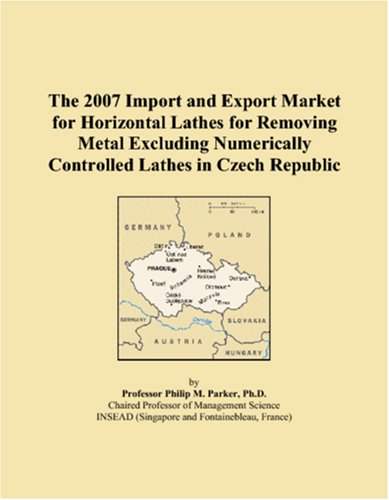
The 2007 Import and Export Market for Horizontal Lathes for Removing Metal Excluding Numerically Controlled Lathes in Czech Republic

The 2007 Import and Export Market for Horizontal Lathes for Removing Metal Excluding Numerically Controlled Lathes in Czech Republic Review


On the demand side, exporters and strategic planners focusing on horizontal lathes for removing metal excluding numerically controlled lathes in Czech Republic face a number of questions. Which countries are supplying horizontal lathes for removing metal excluding numerically controlled lathes to Czech Republic? How important is Czech Republic compared to others in terms of the entire global and regional market? How much do the imports of horizontal lathes for removing metal excluding numerically controlled lathes vary from one country of origin to another in Czech Republic? On the supply side, Czech Republic also exports horizontal lathes for removing metal excluding numerically controlled lathes. Which countries receive the most exports from Czech Republic? How are these exports concentrated across buyers? What is the value of these exports and which countries are the largest buyers? This report was created for strategic planners, international marketing executives and import/export managers who are concerned with the market for horizontal lathes for removing metal excluding numerically controlled lathes in Czech Republic. With the globalization of this market, managers can no longer be contented with a local view. Nor can managers be contented with out-of-date statistics which appear several years after the fact. I have developed a methodology, based on macroeconomic and trade models, to estimate the market for horizontal lathes for removing metal excluding numerically controlled lathes for those countries serving Czech Republic via exports, or supplying from Czech Republic via imports. It does so for the current year based on a variety of key historical indicators and econometric models. In what follows, Chapter 2 begins by summarizing where Czech Republic fits into the world market for imported and exported horizontal lathes for removing metal excluding numerically controlled lathes. The total level of imports and exports on a worldwide basis, and those for Czech Republic in particular, is estimated using a model which aggregates across over 150 key country markets and projects these to the current year. From there, each country represents a percent of the world market. This market is served from a number of competitive countries of origin. Based on both demand- and supply-side dynamics, market shares by country of origin are then calculated across each country market destination. These shares lead to a volume of import and export values for each country and are aggregated to regional and world totals. In doing so, we are able to obtain maximum likelihood estimates of both the value of each market and the share that Czech Republic is likely to receive this year. From these figures, rankings are calculated to allow managers to prioritize Czech Republic compared to other major country markets. In this way, all the figures provided in this report are forecasts that can be combined with internal information sources for strategic planning purposes.


Wednesday, July 27, 2011

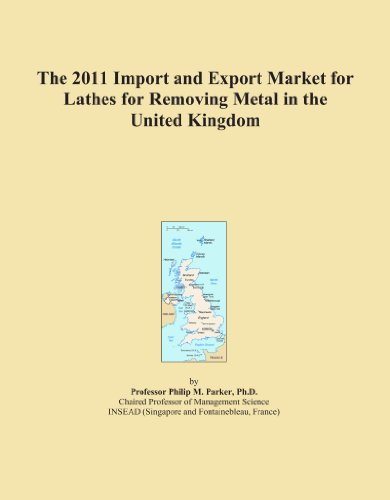
The 2011 Import and Export Market for Lathes for Removing Metal in the United Kingdom

The 2011 Import and Export Market for Lathes for Removing Metal in the United Kingdom Review


On the demand side, exporters and strategic planners focusing on lathes for removing metal in the United Kingdom face a number of questions. Which countries are supplying lathes for removing metal to the United Kingdom? How important is the United Kingdom compared to others in terms of the entire global and regional market? How much do the imports of lathes for removing metal vary from one country of origin to another in the United Kingdom? On the supply side, the United Kingdom also exports lathes for removing metal. Which countries receive the most exports from the United Kingdom? How are these exports concentrated across buyers? What is the value of these exports and which countries are the largest buyers?

This report was created for strategic planners, international marketing executives and import/export managers who are concerned with the market for lathes for removing metal in the United Kingdom. With the globalization of this market, managers can no longer be contented with a local view. Nor can managers be contented with out-of-date statistics which appear several years after the fact. I have developed a methodology, based on macroeconomic and trade models, to estimate the market for lathes for removing metal for those countries serving the United Kingdom via exports, or supplying from the United Kingdom via imports. It does so for the current year based on a variety of key historical indicators and econometric models.

In what follows, Chapter 2 begins by summarizing where the United Kingdom fits into the world market for imported and exported lathes for removing metal. The total level of imports and exports on a worldwide basis, and those for the United Kingdom in particular, is estimated using a model which aggregates across over 150 key country markets and projects these to the current year. From there, each country represents a percent of the world market. This market is served from a number of competitive


Tuesday, July 26, 2011

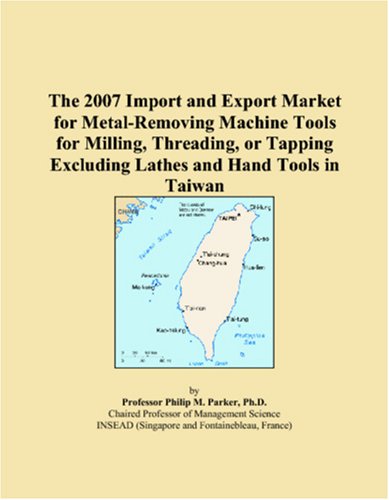
The 2007 Import and Export Market for Metal-Removing Machine Tools for Milling, Threading, or Tapping Excluding Lathes and Hand Tools in Taiwan

The 2007 Import and Export Market for Metal-Removing Machine Tools for Milling, Threading, or Tapping Excluding Lathes and Hand Tools in Taiwan Review


On the demand side, exporters and strategic planners focusing on metal-removing machine tools for milling, threading, or tapping excluding lathes and hand tools in Taiwan face a number of questions. Which countries are supplying metal-removing machine tools for milling, threading, or tapping excluding lathes and hand tools to Taiwan? How important is Taiwan compared to others in terms of the entire global and regional market? How much do the imports of metal-removing machine tools for milling, threading, or tapping excluding lathes and hand tools vary from one country of origin to another in Taiwan? On the supply side, Taiwan also exports metal-removing machine tools for milling, threading, or tapping excluding lathes and hand tools. Which countries receive the most exports from Taiwan? How are these exports concentrated across buyers? What is the value of these exports and which countries are the largest buyers? This report was created for strategic planners, international marketing executives and import/export managers who are concerned with the market for metal-removing machine tools for milling, threading, or tapping excluding lathes and hand tools in Taiwan. With the globalization of this market, managers can no longer be contented with a local view. Nor can managers be contented with out-of-date statistics which appear several years after the fact. I have developed a methodology, based on macroeconomic and trade models, to estimate the market for metal-removing machine tools for milling, threading, or tapping excluding lathes and hand tools for those countries serving Taiwan via exports, or supplying from Taiwan via imports. It does so for the current year based on a variety of key historical indicators and econometric models. In what follows, Chapter 2 begins by summarizing where Taiwan fits into the world market for imported and exported metal-removing machine tools for milling, threading, or tapping excluding lathes and hand tools. The total level of imports and exports on a worldwide basis, and those for Taiwan in particular, is estimated using a model which aggregates across over 150 key country markets and projects these to the current year. From there, each country represents a percent of the world market. This market is served from a number of competitive countries of origin. Based on both demand- and supply-side dynamics, market shares by country of origin are then calculated across each country market destination. These shares lead to a volume of import and export values for each country and are aggregated to regional and world totals. In doing so, we are able to obtain maximum likelihood estimates of both the value of each market and the share that Taiwan is likely to receive this year. From these figures, rankings are calculated to allow managers to prioritize Taiwan compared to other major country markets. In this way, all the figures provided in this report are forecasts that can be combined with internal information sources for strategic planning purposes.


Monday, July 25, 2011

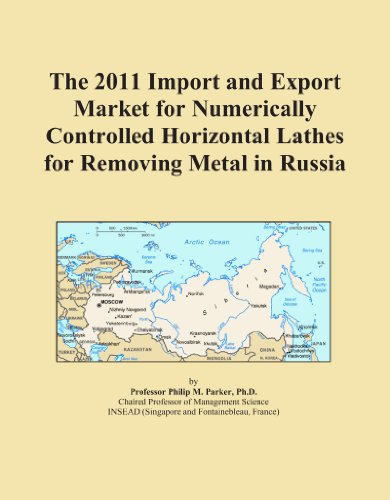
The 2011 Import and Export Market for Numerically Controlled Horizontal Lathes for Removing Metal in Russia

The 2011 Import and Export Market for Numerically Controlled Horizontal Lathes for Removing Metal in Russia Review


On the demand side, exporters and strategic planners focusing on numerically controlled horizontal lathes for removing metal in Russia face a number of questions. Which countries are supplying numerically controlled horizontal lathes for removing metal to Russia? How important is Russia compared to others in terms of the entire global and regional market? How much do the imports of numerically controlled horizontal lathes for removing metal vary from one country of origin to another in Russia? On the supply side, Russia also exports numerically controlled horizontal lathes for removing metal. Which countries receive the most exports from Russia? How are these exports concentrated across buyers? What is the value of these exports and which countries are the largest buyers?

This report was created for strategic planners, international marketing executives and import/export managers who are concerned with the market for numerically controlled horizontal lathes for removing metal in Russia. With the globalization of this market, managers can no longer be contented with a local view. Nor can managers be contented with out-of-date statistics which appear several years after the fact. I have developed a methodology, based on macroeconomic and trade models, to estimate the market for numerically controlled horizontal lathes for removing metal for those countries serving Russia via exports, or supplying from Russia via imports. It does so for the current year based on a variety of key historical indicators and econometric models.

In what follows, Chapter 2 begins by summarizing where Russia fits into the world market for imported and exported numerically controlled horizontal lathes for removing metal. The total level of imports and exports on a worldwide basis, and those for Russia in particular, is estimated using a model which aggregates across over 150 key country markets and projects these to the current year. From there, each


Saturday, July 23, 2011

The 2009 Import and Export Market for Horizontal Lathes for Removing Metal Excluding Numerically Controlled Lathes in Spain

The 2009 Import and Export Market for Horizontal Lathes for Removing Metal Excluding Numerically Controlled Lathes in Spain Review


On the demand side, exporters and strategic planners focusing on horizontal lathes for removing metal excluding numerically controlled lathes in Spain face a number of questions. Which countries are supplying horizontal lathes for removing metal excluding numerically controlled lathes to Spain? How important is Spain compared to others in terms of the entire global and regional market? How much do the imports of horizontal lathes for removing metal excluding numerically controlled lathes vary from one country of origin to another in Spain? On the supply side, Spain also exports horizontal lathes for removing metal excluding numerically controlled lathes. Which countries receive the most exports from Spain? How are these exports concentrated across buyers? What is the value of these exports and which countries are the largest buyers?

This report was created for strategic planners, international marketing executives and import/export managers who are concerned with the market for horizontal lathes for removing metal excluding numerically controlled lathes in Spain. With the globalization of this market, managers can no longer be contented with a local view. Nor can managers be contented with out-of-date statistics which appear several years after the fact. I have developed a methodology, based on macroeconomic and trade models, to estimate the market for horizontal lathes for removing metal excluding numerically controlled lathes for those countries serving Spain via exports, or supplying from Spain via imports. It does so for the current year based on a variety of key historical indicators and econometric models.

In what follows, Chapter 2 begins by summarizing where Spain fits into the world market for imported and exported horizontal lathes for removing metal excluding numerically controlled lathes. The total level of imports and exports on a worldwide basis, and those for Spain in particular, is estimated using a model


Friday, July 22, 2011

Advanced Metal-Work: Lessons on the Speed-Lathe, Engine-Lathe, and Planning-Machine ... In Three Parts. Part I. The Speed-Lath [1898]

Advanced Metal-Work: Lessons on the Speed-Lathe, Engine-Lathe, and Planning-Machine ... In Three Parts. Part I. The Speed-Lath [1898] Review


Originally published in 1898. This volume from the Cornell University Library's print collections was scanned on an APT BookScan and converted to JPG 2000 format by Kirtas Technologies. All titles scanned cover to cover and pages may include marks notations and other marginalia present in the original volume.


Wednesday, July 20, 2011

Back Gears for the Gingery Lathe

Back Gears for the Gingery Lathe Review


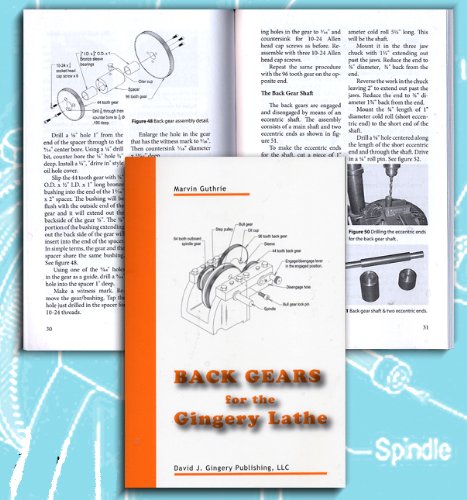
"Back Gears" are just what their name implies. A set of gears mounted at the back of the headstock on a lathe. Their purpose is to allow the lathe spindle to rotate at slower speeds while at the same time delivering greatly increased torque.
One operation that really benefits from those slower speeds is thread cutting, especially if you are a beginner. With back gears, your lathe not only becomes capable of doing a better job of cutting threads, it also allows for increased drilling capacity, larger hole boring and larger diameter facing. Simply put, back gears will enable your lathe to be used at its maximum strength and capacity.
If you have built the other Gingery projects in the "Metal Working Shop from Scrap" series, you have all the necessary tooling for the job. Here in this booklet, Marvin provides you with the step by step instruction beginning with the patterns, molding procedure, machining the castings and finally fitting the individual parts on the Gingery lathe. Included are many detailed drawings and photos that help make the project easy to understand.
And for a final touch of class, Marvin shows you how to add a change gear cover, back gear cover and front cover to your Gingery lathe.
This is a truly delightful project. If you have built or are planning to build the Gingery lathe, consider adding back gears. You will be glad you did.


Tuesday, July 19, 2011

The 2011-2016 Outlook for Dental Laboratory Benches, Blow Pipes, Casting Machines, Flasks, Furnaces, Lathes, Polishing Units, Presses, and Other Equipment in India

The 2011-2016 Outlook for Dental Laboratory Benches, Blow Pipes, Casting Machines, Flasks, Furnaces, Lathes, Polishing Units, Presses, and Other Equipment in India Review
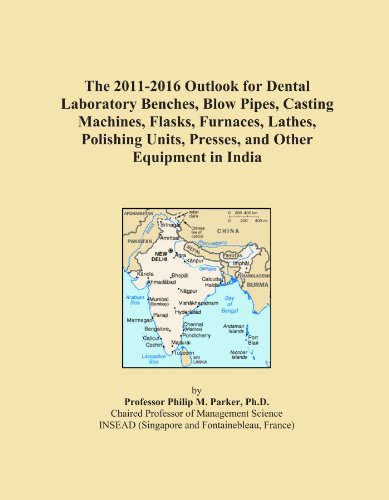


This econometric study covers the latent demand outlook for dental laboratory benches, blow pipes, casting machines, flasks, furnaces, lathes, polishing units, presses, and other equipment across the states, union territories and cities of India. Latent demand (in millions of U.S. dollars), or potential industry earnings (P.I.E.) estimates are given across over 4,300 cities in India. This statistical approach can prove very useful to distribution and/or sales force strategies. Using econometric models which project fundamental economic dynamics within each state or union territory and city, latent demand estimates are created for dental laboratory benches, blow pipes, casting machines, flasks, furnaces, lathes, polishing units, presses, and other equipment. This report does not discuss the specific players in the market serving the latent demand, nor specific details at the product level. The study also does not consider short-term cyclicalities that might affect realized sales. The study, therefore, is strategic in nature, taking an aggregate and long-run view, irrespective of the players or products involved.

This study does not report actual sales data (which are simply unavailable, in a comparable or consistent manner in virtually all of the cities in India). This study gives, however, my estimates for the latent demand, or the P.I.E., for dental laboratory benches, blow pipes, casting machines, flasks, furnaces, lathes, polishing units, presses, and other equipment in India. It also shows how the P.I.E. is divided and concentrated across the cities and regional markets of India.


Monday, July 18, 2011

The 2007 Import and Export Market for Lathes for Removing Metal in France

The 2007 Import and Export Market for Lathes for Removing Metal in France Review


On the demand side, exporters and strategic planners focusing on lathes for removing metal in France face a number of questions. Which countries are supplying lathes for removing metal to France? How important is France compared to others in terms of the entire global and regional market? How much do the imports of lathes for removing metal vary from one country of origin to another in France? On the supply side, France also exports lathes for removing metal. Which countries receive the most exports from France? How are these exports concentrated across buyers? What is the value of these exports and which countries are the largest buyers? This report was created for strategic planners, international marketing executives and import/export managers who are concerned with the market for lathes for removing metal in France. With the globalization of this market, managers can no longer be contented with a local view. Nor can managers be contented with out-of-date statistics which appear several years after the fact. I have developed a methodology, based on macroeconomic and trade models, to estimate the market for lathes for removing metal for those countries serving France via exports, or supplying from France via imports. It does so for the current year based on a variety of key historical indicators and econometric models. In what follows, Chapter 2 begins by summarizing where France fits into the world market for imported and exported lathes for removing metal. The total level of imports and exports on a worldwide basis, and those for France in particular, is estimated using a model which aggregates across over 150 key country markets and projects these to the current year. From there, each country represents a percent of the world market. This market is served from a number of competitive countries of origin. Based on both demand- and supply-side dynamics, market shares by country of origin are then calculated across each country market destination. These shares lead to a volume of import and export values for each country and are aggregated to regional and world totals. In doing so, we are able to obtain maximum likelihood estimates of both the value of each market and the share that France is likely to receive this year. From these figures, rankings are calculated to allow managers to prioritize France compared to other major country markets. In this way, all the figures provided in this report are forecasts that can be combined with internal information sources for strategic planning purposes.


Saturday, July 16, 2011

The 2011 World Forecasts of Numerically Controlled Lathes for Removing Metal Excluding Horizontal Lathes Export Supplies

The 2011 World Forecasts of Numerically Controlled Lathes for Removing Metal Excluding Horizontal Lathes Export Supplies Review


This report was created for strategic planners, international marketing executives and export managers whose primary concern is the world market for numerically controlled lathes for removing metal excluding horizontal lathes. With the globalization of this market, managers can no longer be contented with a local view. Nor can managers be contented with out-of-date statistics that appear several years after the fact. I have developed a methodology, based on macroeconomic and trade models, to estimate the market for numerically controlled lathes for removing metal excluding horizontal lathes for those firms serving the world via exports and foreign direct investment. It does so for the current year based on a variety of key historical indicators and econometric models.

In what follows, this report begins by summarizing the world market for numerically controlled lathes for removing metal excluding horizontal lathes exports. The total level of exports on a worldwide basis is based on a model that aggregates across over 150 key country markets and projects these to the current year. From there, each country represents a percent of the world market. This market is served from a number of competitive countries of origin. Based on supply-side dynamics, market shares by country of origin are then calculated across each country market. These shares lead to a volume of export values for each country and are aggregated to regional and world totals. In doing so, we are able to obtain maximum likelihood estimates of both the value of each supplier and the destinations (countries served by the supplier country). From these figures, world rankings are calculated. In this way, all the figures provided in this report are forecasts that can be combined with internal information for strategic planning purposes.


Thursday, July 14, 2011

The 2011 Import and Export Market for Numerically Controlled Lathes for Removing Metal Excluding Horizontal Lathes in South Korea

The 2011 Import and Export Market for Numerically Controlled Lathes for Removing Metal Excluding Horizontal Lathes in South Korea Review


On the demand side, exporters and strategic planners focusing on numerically controlled lathes for removing metal excluding horizontal lathes in South Korea face a number of questions. Which countries are supplying numerically controlled lathes for removing metal excluding horizontal lathes to South Korea? How important is South Korea compared to others in terms of the entire global and regional market? How much do the imports of numerically controlled lathes for removing metal excluding horizontal lathes vary from one country of origin to another in South Korea? On the supply side, South Korea also exports numerically controlled lathes for removing metal excluding horizontal lathes. Which countries receive the most exports from South Korea? How are these exports concentrated across buyers? What is the value of these exports and which countries are the largest buyers?

This report was created for strategic planners, international marketing executives and import/export managers who are concerned with the market for numerically controlled lathes for removing metal excluding horizontal lathes in South Korea. With the globalization of this market, managers can no longer be contented with a local view. Nor can managers be contented with out-of-date statistics which appear several years after the fact. I have developed a methodology, based on macroeconomic and trade models, to estimate the market for numerically controlled lathes for removing metal excluding horizontal lathes for those countries serving South Korea via exports, or supplying from South Korea via imports. It does so for the current year based on a variety of key historical indicators and econometric models.

In what follows, Chapter 2 begins by summarizing where South Korea fits into the world market for imported and exported numerically controlled lathes for removing metal excluding horizontal lathes. The total level of imports and exports on a worldwide basis, and


Wednesday, July 13, 2011

The 2011 Import and Export Market for Lathes for Removing Metal in China

The 2011 Import and Export Market for Lathes for Removing Metal in China Review


On the demand side, exporters and strategic planners focusing on lathes for removing metal in China face a number of questions. Which countries are supplying lathes for removing metal to China? How important is China compared to others in terms of the entire global and regional market? How much do the imports of lathes for removing metal vary from one country of origin to another in China? On the supply side, China also exports lathes for removing metal. Which countries receive the most exports from China? How are these exports concentrated across buyers? What is the value of these exports and which countries are the largest buyers?

This report was created for strategic planners, international marketing executives and import/export managers who are concerned with the market for lathes for removing metal in China. With the globalization of this market, managers can no longer be contented with a local view. Nor can managers be contented with out-of-date statistics which appear several years after the fact. I have developed a methodology, based on macroeconomic and trade models, to estimate the market for lathes for removing metal for those countries serving China via exports, or supplying from China via imports. It does so for the current year based on a variety of key historical indicators and econometric models.

In what follows, Chapter 2 begins by summarizing where China fits into the world market for imported and exported lathes for removing metal. The total level of imports and exports on a worldwide basis, and those for China in particular, is estimated using a model which aggregates across over 150 key country markets and projects these to the current year. From there, each country represents a percent of the world market. This market is served from a number of competitive countries of origin. Based on both demand- and supply-side dynamics, market shares by country of origin are then calculated across each country


Tuesday, July 12, 2011

The 2007 Import and Export Market for Numerically Controlled Horizontal Lathes for Removing Metal in Germany

The 2007 Import and Export Market for Numerically Controlled Horizontal Lathes for Removing Metal in Germany Review


On the demand side, exporters and strategic planners focusing on numerically controlled horizontal lathes for removing metal in Germany face a number of questions. Which countries are supplying numerically controlled horizontal lathes for removing metal to Germany? How important is Germany compared to others in terms of the entire global and regional market? How much do the imports of numerically controlled horizontal lathes for removing metal vary from one country of origin to another in Germany? On the supply side, Germany also exports numerically controlled horizontal lathes for removing metal. Which countries receive the most exports from Germany? How are these exports concentrated across buyers? What is the value of these exports and which countries are the largest buyers? This report was created for strategic planners, international marketing executives and import/export managers who are concerned with the market for numerically controlled horizontal lathes for removing metal in Germany. With the globalization of this market, managers can no longer be contented with a local view. Nor can managers be contented with out-of-date statistics which appear several years after the fact. I have developed a methodology, based on macroeconomic and trade models, to estimate the market for numerically controlled horizontal lathes for removing metal for those countries serving Germany via exports, or supplying from Germany via imports. It does so for the current year based on a variety of key historical indicators and econometric models. In what follows, Chapter 2 begins by summarizing where Germany fits into the world market for imported and exported numerically controlled horizontal lathes for removing metal. The total level of imports and exports on a worldwide basis, and those for Germany in particular, is estimated using a model which aggregates across over 150 key country markets and projects these to the current year. From there, each country represents a percent of the world market. This market is served from a number of competitive countries of origin. Based on both demand- and supply-side dynamics, market shares by country of origin are then calculated across each country market destination. These shares lead to a volume of import and export values for each country and are aggregated to regional and world totals. In doing so, we are able to obtain maximum likelihood estimates of both the value of each market and the share that Germany is likely to receive this year. From these figures, rankings are calculated to allow managers to prioritize Germany compared to other major country markets. In this way, all the figures provided in this report are forecasts that can be combined with internal information sources for strategic planning purposes.


Sunday, July 10, 2011

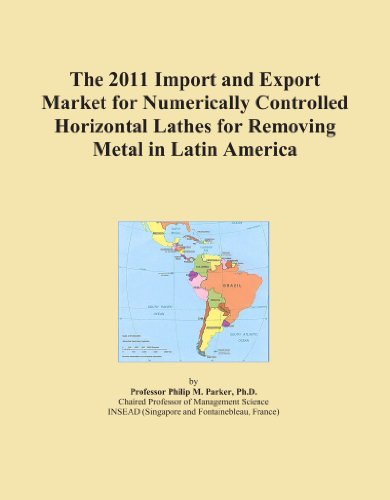
The 2011 Import and Export Market for Numerically Controlled Horizontal Lathes for Removing Metal in Latin America

The 2011 Import and Export Market for Numerically Controlled Horizontal Lathes for Removing Metal in Latin America Review


On the demand side, exporters and strategic planners approaching the market in Latin America face a number of questions. Which countries are supplying numerically controlled horizontal lathes for removing metal to Latin America? What is the dollar value of these imports? How much do the imports of numerically controlled horizontal lathes for removing metal vary from one country to another in Latin America? Do exporters serving the market in Latin America have similar market shares across the importing countries? On the supply side, Latin America also sells to the international market of numerically controlled horizontal lathes for removing metal. Which countries in Latin America supply the most exports of numerically controlled horizontal lathes for removing metal? Which countries are buying their exports? What is the value of these exports and which countries are the largest buyers?

This report was created for strategic planners, international marketing executives and import/export managers who are concerned with the market for numerically controlled horizontal lathes for removing metal in Latin America. With the globalization of this market, managers can no longer be contented with a local view. Nor can managers be contented with out-of-date statistics that appear several years after the fact. I have developed a methodology, based on macroeconomic and trade models, to estimate the market for numerically controlled horizontal lathes for removing metal for those countries serving Latin America via exports or supplying from Latin America via imports. We do so for the current year based on a variety of key historical indicators and econometric models.

In what follows, Chapter 2 begins by summarizing where Latin America fits into the world market for imported and exported numerically controlled horizontal lathes for removing metal. The total level of imports and exports on a worldwide basis, and those for Latin America in


Friday, July 8, 2011

The 2007 Import and Export Market for Numerically Controlled Horizontal Lathes for Removing Metal in Argentina

The 2007 Import and Export Market for Numerically Controlled Horizontal Lathes for Removing Metal in Argentina Review


On the demand side, exporters and strategic planners focusing on numerically controlled horizontal lathes for removing metal in Argentina face a number of questions. Which countries are supplying numerically controlled horizontal lathes for removing metal to Argentina? How important is Argentina compared to others in terms of the entire global and regional market? How much do the imports of numerically controlled horizontal lathes for removing metal vary from one country of origin to another in Argentina? On the supply side, Argentina also exports numerically controlled horizontal lathes for removing metal. Which countries receive the most exports from Argentina? How are these exports concentrated across buyers? What is the value of these exports and which countries are the largest buyers? This report was created for strategic planners, international marketing executives and import/export managers who are concerned with the market for numerically controlled horizontal lathes for removing metal in Argentina. With the globalization of this market, managers can no longer be contented with a local view. Nor can managers be contented with out-of-date statistics which appear several years after the fact. I have developed a methodology, based on macroeconomic and trade models, to estimate the market for numerically controlled horizontal lathes for removing metal for those countries serving Argentina via exports, or supplying from Argentina via imports. It does so for the current year based on a variety of key historical indicators and econometric models. In what follows, Chapter 2 begins by summarizing where Argentina fits into the world market for imported and exported numerically controlled horizontal lathes for removing metal. The total level of imports and exports on a worldwide basis, and those for Argentina in particular, is estimated using a model which aggregates across over 150 key country markets and projects these to the current year. From there, each country represents a percent of the world market. This market is served from a number of competitive countries of origin. Based on both demand- and supply-side dynamics, market shares by country of origin are then calculated across each country market destination. These shares lead to a volume of import and export values for each country and are aggregated to regional and world totals. In doing so, we are able to obtain maximum likelihood estimates of both the value of each market and the share that Argentina is likely to receive this year. From these figures, rankings are calculated to allow managers to prioritize Argentina compared to other major country markets. In this way, all the figures provided in this report are forecasts that can be combined with internal information sources for strategic planning purposes.