Thursday, June 30, 2011

The 2011 Import and Export Market for Lathes for Removing Metal in Malaysia

The 2011 Import and Export Market for Lathes for Removing Metal in Malaysia Review
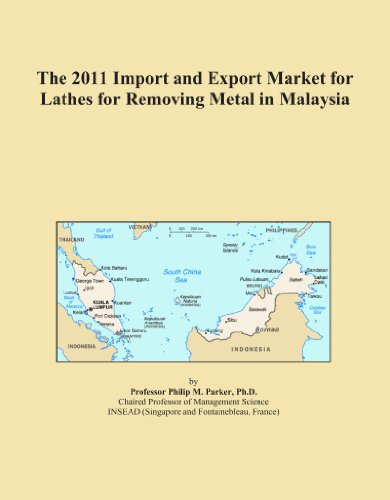


On the demand side, exporters and strategic planners focusing on lathes for removing metal in Malaysia face a number of questions. Which countries are supplying lathes for removing metal to Malaysia? How important is Malaysia compared to others in terms of the entire global and regional market? How much do the imports of lathes for removing metal vary from one country of origin to another in Malaysia? On the supply side, Malaysia also exports lathes for removing metal. Which countries receive the most exports from Malaysia? How are these exports concentrated across buyers? What is the value of these exports and which countries are the largest buyers?

This report was created for strategic planners, international marketing executives and import/export managers who are concerned with the market for lathes for removing metal in Malaysia. With the globalization of this market, managers can no longer be contented with a local view. Nor can managers be contented with out-of-date statistics which appear several years after the fact. I have developed a methodology, based on macroeconomic and trade models, to estimate the market for lathes for removing metal for those countries serving Malaysia via exports, or supplying from Malaysia via imports. It does so for the current year based on a variety of key historical indicators and econometric models.

In what follows, Chapter 2 begins by summarizing where Malaysia fits into the world market for imported and exported lathes for removing metal. The total level of imports and exports on a worldwide basis, and those for Malaysia in particular, is estimated using a model which aggregates across over 150 key country markets and projects these to the current year. From there, each country represents a percent of the world market. This market is served from a number of competitive countries of origin. Based on both demand- and supply-side dynamics, market shares by country of origin are then


Wednesday, June 29, 2011

Drilling ; Lathe Work ; Boring-Mill Work ; Working Chilled Iron ; Bench, Vise, and Floor Work ; Erecting

Drilling ; Lathe Work ; Boring-Mill Work ; Working Chilled Iron ; Bench, Vise, and Floor Work ; Erecting Review


This is a reproduction of a book published before 1923. This book may have occasional imperfections such as missing or blurred pages, poor pictures, errant marks, etc. that were either part of the original artifact, or were introduced by the scanning process. We believe this work is culturally important, and despite the imperfections, have elected to bring it back into print as part of our continuing commitment to the preservation of printed works worldwide. We appreciate your understanding of the imperfections in the preservation process, and hope you enjoy this valuable book.


Monday, June 27, 2011

ISO 3655:1986, Acceptance conditions for vertical turning and boring lathes with one or two columns and a single fixed or movable table - General introduction and testing of the accuracy

ISO 3655:1986, Acceptance conditions for vertical turning and boring lathes with one or two columns and a single fixed or movable table - General introduction and testing of the accuracy Review


Defines the machining processes that can be carried out on these turning and boring lathes. Describes the different types of machines. Gives the nomenclature for these machines in English, French and Russian as well as in German, Italian and Swedish. ISO 3655 specifies both geometrical and practical tests on these general purpose and normal accuracy machines, and gives the corresponding permissible deviations which apply. It deals only with the verification of the accuracy of the machine. Does not apply to the testing of the running of the machine, or to characteristics. This title may contain less than 24 pages of technical content.


Sunday, June 26, 2011

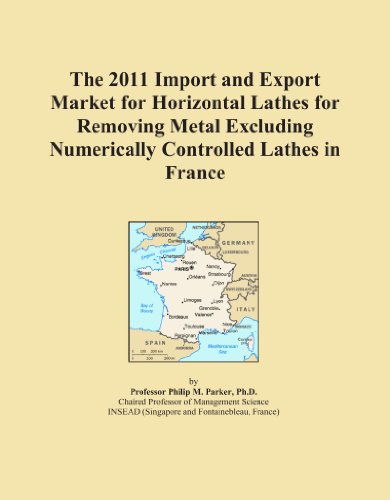
The 2011 Import and Export Market for Horizontal Lathes for Removing Metal Excluding Numerically Controlled Lathes in France

The 2011 Import and Export Market for Horizontal Lathes for Removing Metal Excluding Numerically Controlled Lathes in France Review


On the demand side, exporters and strategic planners focusing on horizontal lathes for removing metal excluding numerically controlled lathes in France face a number of questions. Which countries are supplying horizontal lathes for removing metal excluding numerically controlled lathes to France? How important is France compared to others in terms of the entire global and regional market? How much do the imports of horizontal lathes for removing metal excluding numerically controlled lathes vary from one country of origin to another in France? On the supply side, France also exports horizontal lathes for removing metal excluding numerically controlled lathes. Which countries receive the most exports from France? How are these exports concentrated across buyers? What is the value of these exports and which countries are the largest buyers?

This report was created for strategic planners, international marketing executives and import/export managers who are concerned with the market for horizontal lathes for removing metal excluding numerically controlled lathes in France. With the globalization of this market, managers can no longer be contented with a local view. Nor can managers be contented with out-of-date statistics which appear several years after the fact. I have developed a methodology, based on macroeconomic and trade models, to estimate the market for horizontal lathes for removing metal excluding numerically controlled lathes for those countries serving France via exports, or supplying from France via imports. It does so for the current year based on a variety of key historical indicators and econometric models.

In what follows, Chapter 2 begins by summarizing where France fits into the world market for imported and exported horizontal lathes for removing metal excluding numerically controlled lathes. The total level of imports and exports on a worldwide basis, and those for France in particular, is estimated using


Saturday, June 25, 2011

The 2009 Import and Export Market for Lathes for Removing Metal in Africa

The 2009 Import and Export Market for Lathes for Removing Metal in Africa Review


On the demand side, exporters and strategic planners approaching the market in Africa face a number of questions. Which countries are supplying lathes for removing metal to Africa? What is the dollar value of these imports? How much do the imports of lathes for removing metal vary from one country to another in Africa? Do exporters serving the market in Africa have similar market shares across the importing countries? On the supply side, Africa also sells to the international market of lathes for removing metal. Which countries in Africa supply the most exports of lathes for removing metal? Which countries are buying their exports? What is the value of these exports and which countries are the largest buyers?

This report was created for strategic planners, international marketing executives and import/export managers who are concerned with the market for lathes for removing metal in Africa. With the globalization of this market, managers can no longer be contented with a local view. Nor can managers be contented with out-of-date statistics that appear several years after the fact. I have developed a methodology, based on macroeconomic and trade models, to estimate the market for lathes for removing metal for those countries serving Africa via exports or supplying from Africa via imports. We do so for the current year based on a variety of key historical indicators and econometric models.

In what follows, Chapter 2 begins by summarizing where Africa fits into the world market for imported and exported lathes for removing metal. The total level of imports and exports on a worldwide basis, and those for Africa in particular, is based on a model which aggregates across over 150 key country markets and projects these to the current year. From there, each country represents a percent of the world market. This market is served from a number of competitive countries of origin. Based on both demand- and supply-side dynamics, market


Friday, June 24, 2011

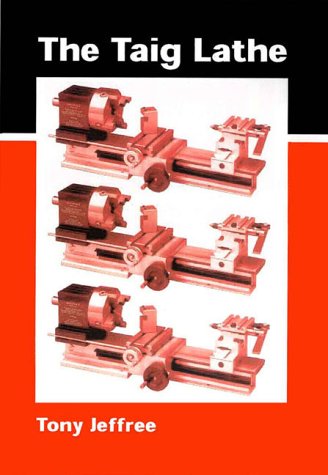
The Taig Lathe: And Its Accessories

The Taig Lathe: And Its Accessories Review


The Taig Lathe is a popular "desk-top" lathe, widely used in a variety of applications from clockmaking and model engineering through to pen-turning and pool cue manufacture. Its simplicity, sound engineering, and rugged design, coupled with a very competitive price, have gained it an enthusiastic following.

In this book, the basics of setting up and adjusting the lathe are covered, and the wide range of standard accessories are described.

The later sections describe a range of enhancements that can be made to the lathe to increase its versatility, along with further accessories that the lathe owner can make using the lathe.


Thursday, June 23, 2011

The World Market for Lathes for Removing Metal: A 2009 Global Trade Perspective

The World Market for Lathes for Removing Metal: A 2009 Global Trade Perspective Review


This report was created for strategic planners, international executives and import/export managers who are concerned with the market for lathes for removing metal. With the globalization of this market, managers can no longer be contented with a local view. Nor can managers be contented with out-of-date statistics that appear several years after the fact. I have developed a methodology, based on macroeconomic and trade models, to estimate the market for lathes for removing metal for those countries serving the world market via exports or supplying from various countries via imports. I do so for the current year based on a variety of key historical indicators and econometric models.

On the demand side, exporters and strategic planners approaching the world market face a number of questions. Which countries are supplying lathes for removing metal? What is the dollar value of these imports? How much do the imports of lathes for removing metal vary from one country to another? Do exporters serving the world market have similar market shares across the importing countries? Which countries supply the most exports of lathes for removing metal? Which countries are buying their exports? What is the value of these exports and which countries are the largest buyers?


Wednesday, June 22, 2011

The 2009 Import and Export Market for Horizontal Lathes for Removing Metal Excluding Numerically Controlled Lathes in Australia

The 2009 Import and Export Market for Horizontal Lathes for Removing Metal Excluding Numerically Controlled Lathes in Australia Review


On the demand side, exporters and strategic planners focusing on horizontal lathes for removing metal excluding numerically controlled lathes in Australia face a number of questions. Which countries are supplying horizontal lathes for removing metal excluding numerically controlled lathes to Australia? How important is Australia compared to others in terms of the entire global and regional market? How much do the imports of horizontal lathes for removing metal excluding numerically controlled lathes vary from one country of origin to another in Australia? On the supply side, Australia also exports horizontal lathes for removing metal excluding numerically controlled lathes. Which countries receive the most exports from Australia? How are these exports concentrated across buyers? What is the value of these exports and which countries are the largest buyers?

This report was created for strategic planners, international marketing executives and import/export managers who are concerned with the market for horizontal lathes for removing metal excluding numerically controlled lathes in Australia. With the globalization of this market, managers can no longer be contented with a local view. Nor can managers be contented with out-of-date statistics which appear several years after the fact. I have developed a methodology, based on macroeconomic and trade models, to estimate the market for horizontal lathes for removing metal excluding numerically controlled lathes for those countries serving Australia via exports, or supplying from Australia via imports. It does so for the current year based on a variety of key historical indicators and econometric models.

In what follows, Chapter 2 begins by summarizing where Australia fits into the world market for imported and exported horizontal lathes for removing metal excluding numerically controlled lathes. The total level of imports and exports on a worldwide basis, and those for Australia


Monday, June 20, 2011

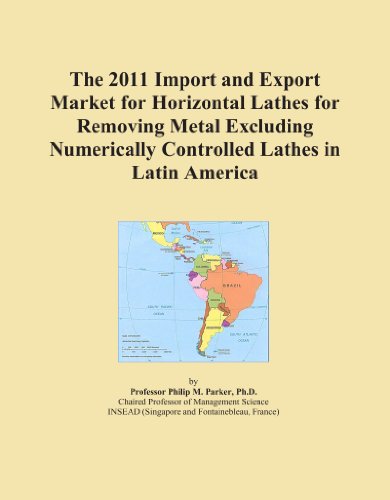
The 2011 Import and Export Market for Horizontal Lathes for Removing Metal Excluding Numerically Controlled Lathes in Latin America

The 2011 Import and Export Market for Horizontal Lathes for Removing Metal Excluding Numerically Controlled Lathes in Latin America Review


On the demand side, exporters and strategic planners approaching the market in Latin America face a number of questions. Which countries are supplying horizontal lathes for removing metal excluding numerically controlled lathes to Latin America? What is the dollar value of these imports? How much do the imports of horizontal lathes for removing metal excluding numerically controlled lathes vary from one country to another in Latin America? Do exporters serving the market in Latin America have similar market shares across the importing countries? On the supply side, Latin America also sells to the international market of horizontal lathes for removing metal excluding numerically controlled lathes. Which countries in Latin America supply the most exports of horizontal lathes for removing metal excluding numerically controlled lathes? Which countries are buying their exports? What is the value of these exports and which countries are the largest buyers?

This report was created for strategic planners, international marketing executives and import/export managers who are concerned with the market for horizontal lathes for removing metal excluding numerically controlled lathes in Latin America. With the globalization of this market, managers can no longer be contented with a local view. Nor can managers be contented with out-of-date statistics that appear several years after the fact. I have developed a methodology, based on macroeconomic and trade models, to estimate the market for horizontal lathes for removing metal excluding numerically controlled lathes for those countries serving Latin America via exports or supplying from Latin America via imports. We do so for the current year based on a variety of key historical indicators and econometric models.

In what follows, Chapter 2 begins by summarizing where Latin America fits into the world market for imported and exported horizontal lathes for removing metal excluding


Sunday, June 19, 2011

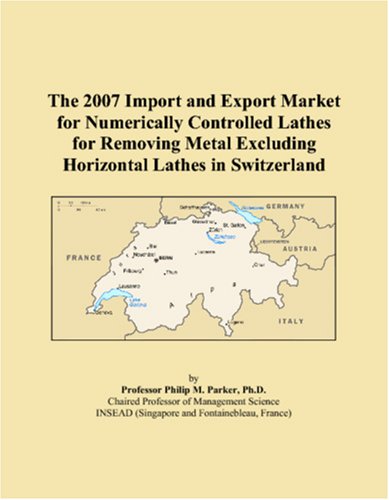
The 2007 Import and Export Market for Numerically Controlled Lathes for Removing Metal Excluding Horizontal Lathes in Switzerland

The 2007 Import and Export Market for Numerically Controlled Lathes for Removing Metal Excluding Horizontal Lathes in Switzerland Review


On the demand side, exporters and strategic planners focusing on numerically controlled lathes for removing metal excluding horizontal lathes in Switzerland face a number of questions. Which countries are supplying numerically controlled lathes for removing metal excluding horizontal lathes to Switzerland? How important is Switzerland compared to others in terms of the entire global and regional market? How much do the imports of numerically controlled lathes for removing metal excluding horizontal lathes vary from one country of origin to another in Switzerland? On the supply side, Switzerland also exports numerically controlled lathes for removing metal excluding horizontal lathes. Which countries receive the most exports from Switzerland? How are these exports concentrated across buyers? What is the value of these exports and which countries are the largest buyers? This report was created for strategic planners, international marketing executives and import/export managers who are concerned with the market for numerically controlled lathes for removing metal excluding horizontal lathes in Switzerland. With the globalization of this market, managers can no longer be contented with a local view. Nor can managers be contented with out-of-date statistics which appear several years after the fact. I have developed a methodology, based on macroeconomic and trade models, to estimate the market for numerically controlled lathes for removing metal excluding horizontal lathes for those countries serving Switzerland via exports, or supplying from Switzerland via imports. It does so for the current year based on a variety of key historical indicators and econometric models. In what follows, Chapter 2 begins by summarizing where Switzerland fits into the world market for imported and exported numerically controlled lathes for removing metal excluding horizontal lathes. The total level of imports and exports on a worldwide basis, and those for Switzerland in particular, is estimated using a model which aggregates across over 150 key country markets and projects these to the current year. From there, each country represents a percent of the world market. This market is served from a number of competitive countries of origin. Based on both demand- and supply-side dynamics, market shares by country of origin are then calculated across each country market destination. These shares lead to a volume of import and export values for each country and are aggregated to regional and world totals. In doing so, we are able to obtain maximum likelihood estimates of both the value of each market and the share that Switzerland is likely to receive this year. From these figures, rankings are calculated to allow managers to prioritize Switzerland compared to other major country markets. In this way, all the figures provided in this report are forecasts that can be combined with internal information sources for strategic planning purposes.

Saturday, June 18, 2011

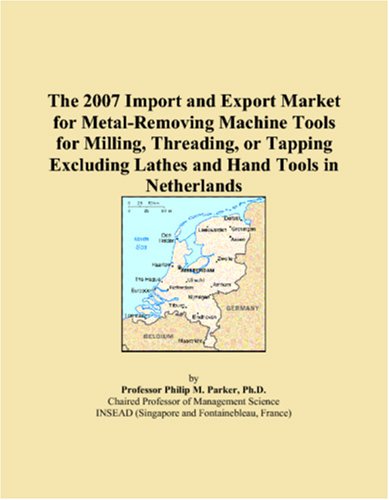
The 2007 Import and Export Market for Metal-Removing Machine Tools for Milling, Threading, or Tapping Excluding Lathes and Hand Tools in Netherlands

The 2007 Import and Export Market for Metal-Removing Machine Tools for Milling, Threading, or Tapping Excluding Lathes and Hand Tools in Netherlands Review


On the demand side, exporters and strategic planners focusing on metal-removing machine tools for milling, threading, or tapping excluding lathes and hand tools in Netherlands face a number of questions. Which countries are supplying metal-removing machine tools for milling, threading, or tapping excluding lathes and hand tools to Netherlands? How important is Netherlands compared to others in terms of the entire global and regional market? How much do the imports of metal-removing machine tools for milling, threading, or tapping excluding lathes and hand tools vary from one country of origin to another in Netherlands? On the supply side, Netherlands also exports metal-removing machine tools for milling, threading, or tapping excluding lathes and hand tools. Which countries receive the most exports from Netherlands? How are these exports concentrated across buyers? What is the value of these exports and which countries are the largest buyers? This report was created for strategic planners, international marketing executives and import/export managers who are concerned with the market for metal-removing machine tools for milling, threading, or tapping excluding lathes and hand tools in Netherlands. With the globalization of this market, managers can no longer be contented with a local view. Nor can managers be contented with out-of-date statistics which appear several years after the fact. I have developed a methodology, based on macroeconomic and trade models, to estimate the market for metal-removing machine tools for milling, threading, or tapping excluding lathes and hand tools for those countries serving Netherlands via exports, or supplying from Netherlands via imports. It does so for the current year based on a variety of key historical indicators and econometric models. In what follows, Chapter 2 begins by summarizing where Netherlands fits into the world market for imported and exported metal-removing machine tools for milling, threading, or tapping excluding lathes and hand tools. The total level of imports and exports on a worldwide basis, and those for Netherlands in particular, is estimated using a model which aggregates across over 150 key country markets and projects these to the current year. From there, each country represents a percent of the world market. This market is served from a number of competitive countries of origin. Based on both demand- and supply-side dynamics, market shares by country of origin are then calculated across each country market destination. These shares lead to a volume of import and export values for each country and are aggregated to regional and world totals. In doing so, we are able to obtain maximum likelihood estimates of both the value of each market and the share that Netherlands is likely to receive this year. From these figures, rankings are calculated to allow managers to prioritize Netherlands compared to other major country markets. In this way, all the figures provided in this report are forecasts that can be combined with internal information sources for strategic planning purposes.

Wednesday, June 15, 2011

The Lathe Of Heaven: A Novel

The Lathe Of Heaven: A Novel Review


The Lathe Of Heaven: A Novel Feature

  • ISBN13: 9781416556961
  • Condition: New
  • Notes: BRAND NEW FROM PUBLISHER! 100% Satisfaction Guarantee. Tracking provided on most orders. Buy with Confidence! Millions of books sold!
Ursula K. Le Guin is one of science fiction's greatest writers. She is also an acclaimed author of powerful and perceptive nonfiction, fantasy, and literary fiction. She has received many honors, including six Nebula and five Hugo Awards, the National Book Award, the Pushcart Prize, the Newbery, the Pilgrim, the Tiptree, and citations by the American Library Association. She has written over a dozen highly regarded novels and story collections. Her SF masterworks are The Left Hand of Darkness (1969), The Dispossessed (1974), and The Lathe of Heaven (1971).

George Orr has dreams that come true--dreams that change reality. He dreams that the aunt who is sexually harassing him is killed in a car crash, and wakes to find that she died in a wreck six weeks ago, in another part of the country. But a far darker dream drives George into the care of a psychotherapist--a dream researcher who doesn't share George's ambivalence about altering reality.

The Lathe of Heaven is set in the sort of worlds that one would associate with Philip K. Dick, but Ms. Le Guin's treatment of the material, her plot and characterization and concerns, are more akin to the humanistic, ethically engaged, psychologically nuanced fiction of Theodore Sturgeon. The Lathe of Heaven is an insightful and chilling examination of total power, of war and injustice and other age-old problems, of changing the world, of playing God. --Cynthia Ward In a future world racked by violence and environmental catastrophes, George Orr wakes up one day to discover that his dreams have the ability to alter reality. He seeks help from Dr. William Haber, a psychiatrist who immediately grasps the power George wields. Soon George must preserve reality itself as Dr. Haber becomes adept at manipulating George's dreams for his own purposes.

The Lathe of Heaven is an eerily prescient novel from award-winning author Ursula K. Le Guin that masterfully addresses the dangers of power and humanity's self-destructiveness, questioning the nature of reality itself. It is a classic of the science fiction genre.


Monday, June 13, 2011

Fixtures and Chucks for Woodturning: Everything You Need to Know to Secure Wood on Your Lathe

Fixtures and Chucks for Woodturning: Everything You Need to Know to Secure Wood on Your Lathe Review


Fixtures and Chucks for Woodturning: Everything You Need to Know to Secure Wood on Your Lathe Feature

  • ISBN13: 9781565235199
  • Condition: New
  • Notes: BRAND NEW FROM PUBLISHER! 100% Satisfaction Guarantee. Tracking provided on most orders. Buy with Confidence! Millions of books sold!

Fixtures and Chucks to Make for Woodturning gathers all the essential information about woodturning chucks and fixtures in one place for the first time, making it more accessible.  More than merely a reference for dedicated turners, this book is designed to help both beginners and advanced turners improve their skills and broaden the range of projects they tackle at the lathe, by presenting a carefully crafted combination of how-to advice and interesting, engaging projects. The book explains how to get the most from commercial chucks, centers, and faceplates. It also shows how readers can make their own - tailoring the wood-holders precisely to the work they want to do.